Getting there
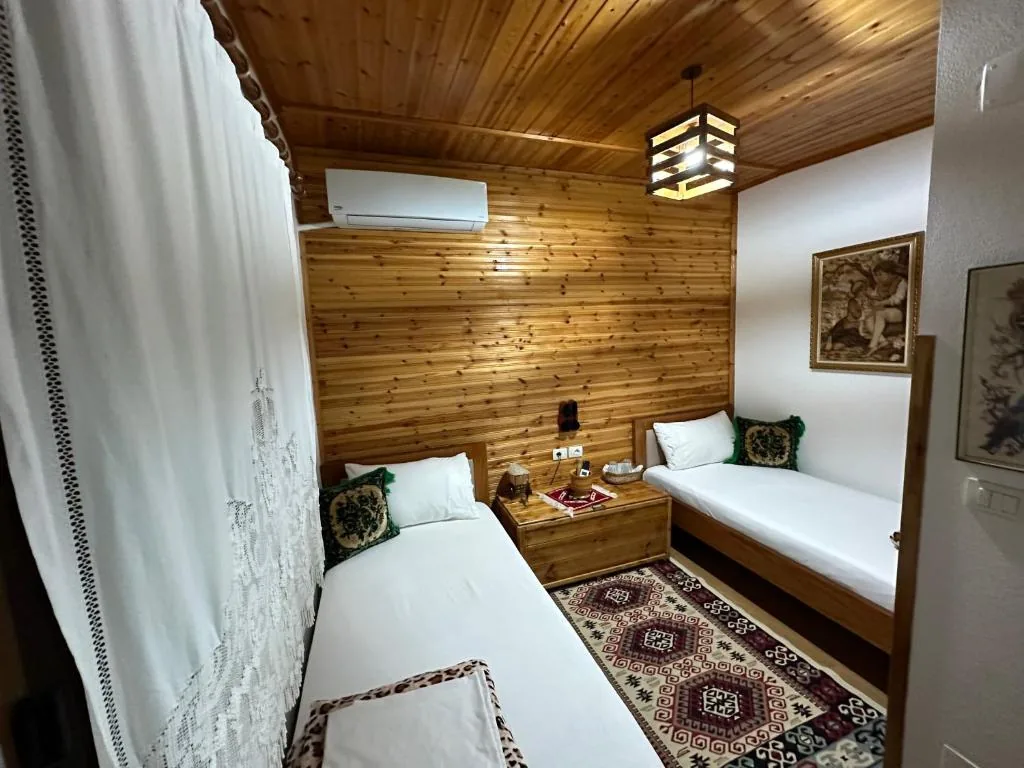
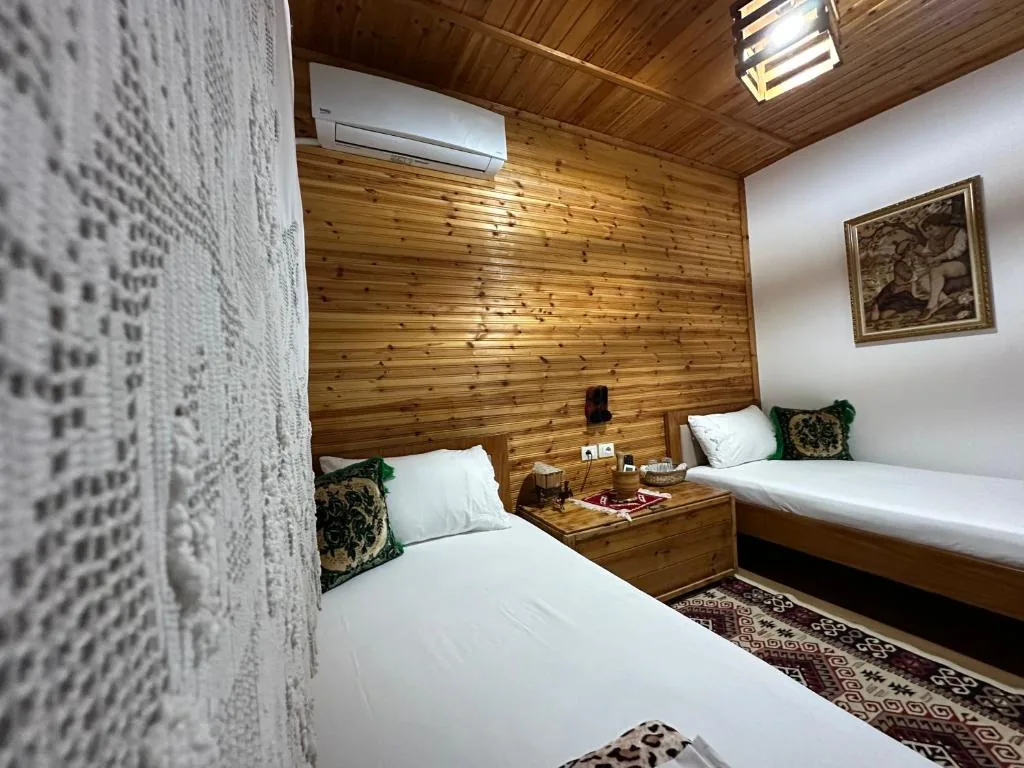
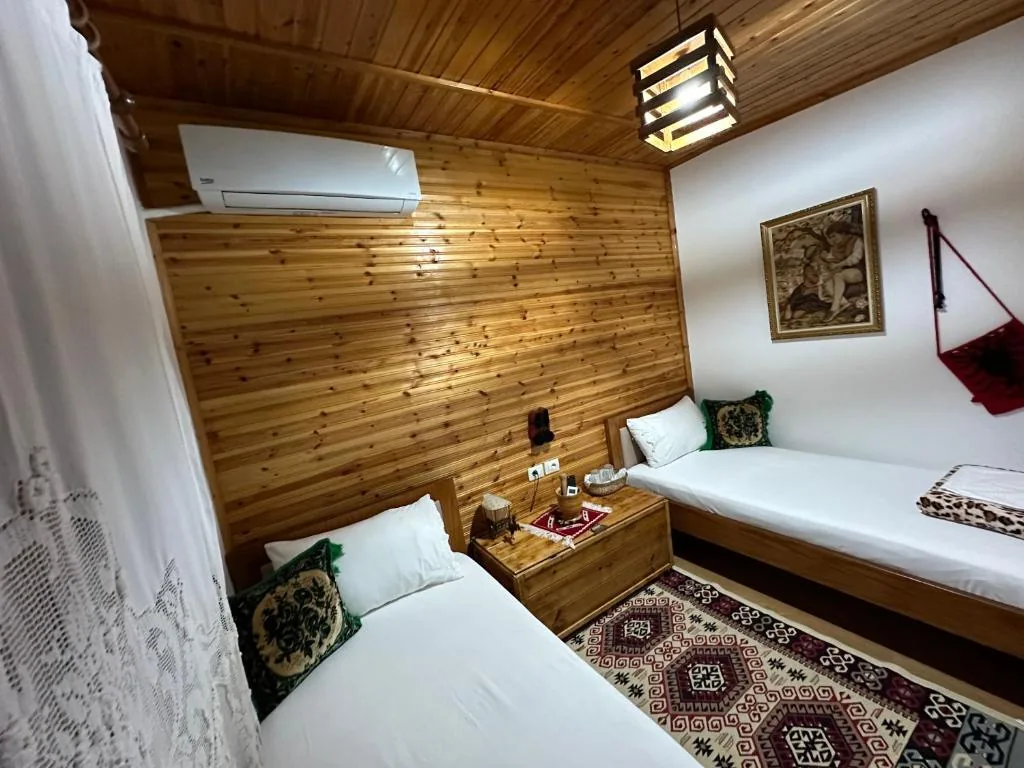
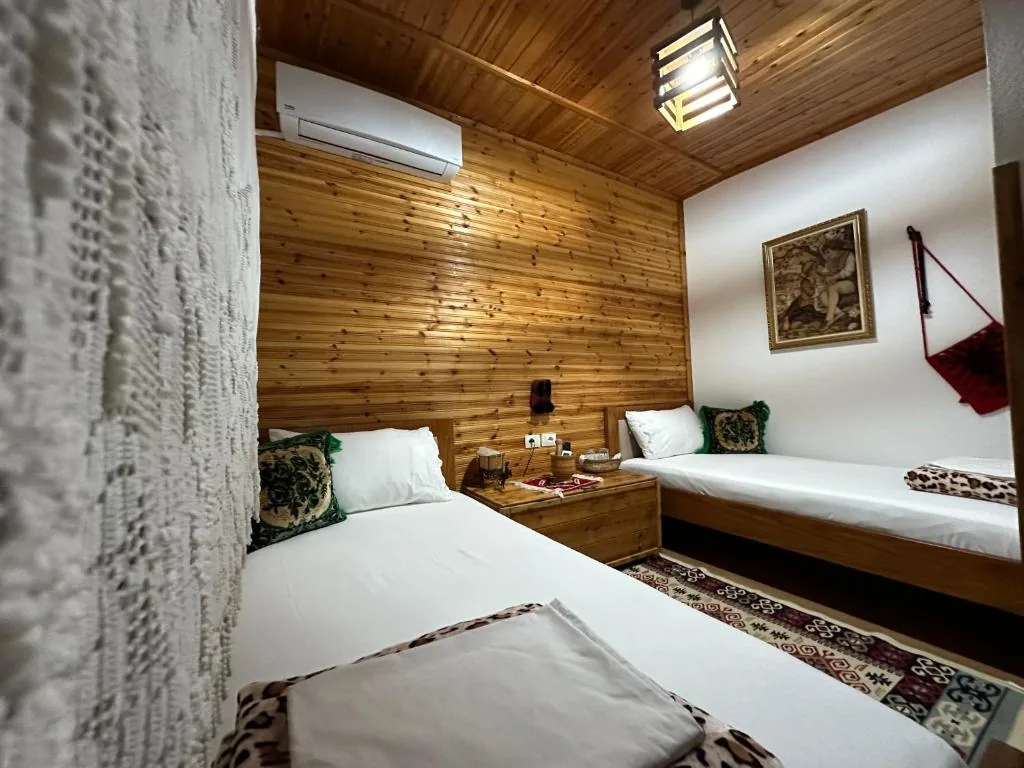
Ahmetaj Guest House stands on Rruga Pertef Kokona, on the slope below the old bazaar of Gjirokastër. The city has no airport and no passenger trains, so everyone arrives by road. The closest airport is Ioannina, across the Greek border, about 84 km by road and an hour and a half's drive; most visitors instead fly into Tirana and continue by bus. Coaches leave the North and South Terminal in Tirana through the day, roughly from 05:00 to 20:30, take about four hours and cost around 1,200 lek. From Saranda the trip is far shorter: buses and furgons run between about 06:00 and 17:00, take an hour and cost from around six euros. Buses set you down on the main road in the new town, below the historic centre, from where it is a short taxi ride or a steep walk. Free parking at the guest house makes driving the easiest option of all.
What to see
Gjirokastër is the stone city, a UNESCO World Heritage site of slate roofs and Ottoman tower houses stacked above the Drino valley. The old bazaar, about ten minutes uphill, is the natural starting point, with the Ethnographic Museum just beyond it. Two tower houses repay the entrance fee: Skënduli House, open daily from roughly 09:00 to 19:00, and Zekate House, from about 08:00 to 17:00, each around 300 lek. The castle above the town costs about 400 lek and holds a Cold War bunker, the weapons gallery and a captured American aircraft; it stays open until 19:00 in summer and closes at 16:00 out of season. Carry cash, because cards are rarely taken. Further out, the Blue Eye spring lies about 36 kilometres away, roughly an hour by car, with a two-kilometre walk in from the car park. Late spring and early autumn are the kindest seasons; July and August are hot and busy, and the cobbles turn slippery after rain.
Old Bazaar — Cobbled Ottoman market street, the hub for cafes, crafts and dinner600 m
Skënduli House — Tower house still owned by the family, guided visits, about 300 lek700 m
Ethnographic Museum — Furnished merchant home showing daily life under the Ottomans800 m
Zekate House — Twin-towered 1812 mansion with frescoed reception room and valley views900 m
Gjirokastër Castle — Ramparts, weapons gallery, Cold War bunker and a downed US aircraft1 km
Blue Eye (Syri i Kaltër) — Karst spring of astonishing colour, two-kilometre walk from the car park36 km